


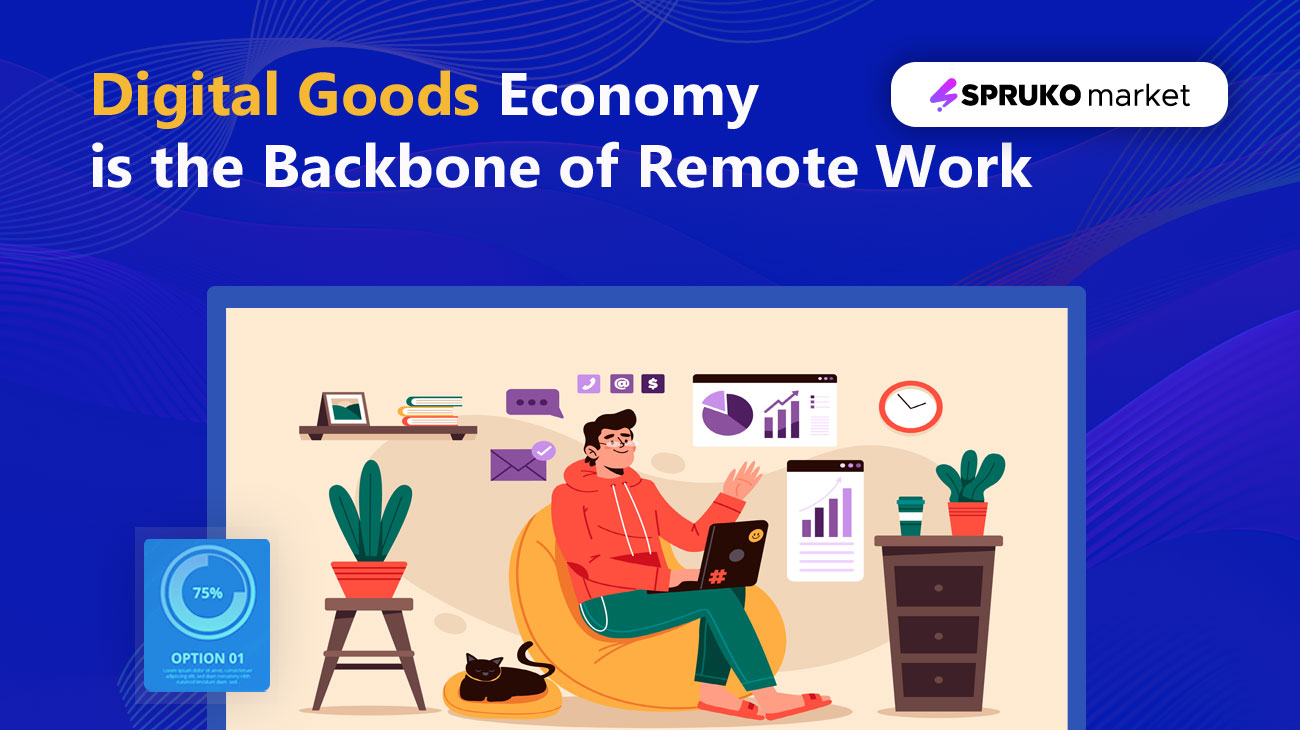
In today’s fast-moving world, many people find themselves trapped in hectic schedules—early mornings, long hours at the office, constant tasks, and continuous pressure. This lifestyle often results in stress, burnout, and even mental health challenges. To counter these struggles, more individuals are turning toward flexible alternatives, with remote work standing out as a practical and empowering solution.
Developers, designers, and freelancers are increasingly choosing remote work to escape rigid job schedules and mental strain. Instead of being tied to an office desk, they now have the freedom to create, innovate, and build careers on their own terms.
Remote work is no longer a passing phase—it has evolved into a fundamental shift in the way modern businesses, freelancers, and developers operate. At the core of this transformation is the digital goods economy, where admin templates, SaaS solutions, UI kits, automation tools, and online platforms empower teams to collaborate, innovate, and remain productive from anywhere.
In this blog, we’ll explore why the digital goods economy is the true backbone of remote work. We’ll look at how it helps developers and designers showcase their talent, earn income from home, and solve real-world problems for clients and businesses around the globe—without being limited by geography.
The Rise of Remote Work
The rise of remote work, accelerated during the pandemic, has grown into a lasting transformation that continues to redefine industries worldwide. Instead of traditional office setups, businesses now rely on cloud-based platforms, advanced project management dashboards, and digital collaboration tools to keep teams connected. This evolution fuels a growing demand for digital goods that streamline workflows, enhance productivity, and empower distributed teams to thrive.
From ready-made templates and SaaS applications to automation software and UI kits, the digital goods economy provides the building blocks for modern remote work. These tools reduce development time and give businesses the flexibility to adapt quickly in an ever-changing digital landscape.
Why the Digital Goods Economy Matters
The digital goods economy includes templates, frameworks, software tools, design assets, and SaaS products. Together, these fuel the success of remote-first businesses.
- Efficiency at Scale – Remote work thrives with pre-built dashboards, customizable templates, and powerful automation tools that save time and boost productivity.
- Accessibility – Freelancers and enterprises alike can access the same digital resources from anywhere, anytime in the world.
- Affordability – Compared to custom development, digital products reduce costs and speed up delivery.
- Flexibility – Tools can be customized to meet the specific needs of diverse industries and teams.
How Digital Goods Empower Remote Teams
- Seamless Collaboration – Project management dashboards and cloud-based tools simplify communication, keeping distributed teams aligned and productive.
- Accelerated Development – Instead of reinventing the wheel, developers rely on pre-built UI kits and templates. This shortens build times and allows teams to focus on innovation.
- Global Connectivity – Digital goods marketplaces such as Spruko Market connect creators and businesses worldwide, opening doors to cross-border partnerships and new opportunities.
- Sustainable Growth – With lifetime updates and scalable solutions, remote teams gain access to evolving technologies, ensuring long-term efficiency and adaptability.
The Role of Marketplaces
Digital marketplaces are at the heart of this ecosystem. Marketplaces like SprukoMarket empower creators to showcase their creativity by offering templates, code, and SaaS tools to a global audience. For buyers, these platforms provide a trusted place to find, compare, and purchase digital goods online. In doing so, they help build a sustainable digital economy where creativity drives innovation and global collaboration thrives.
SprukoMarket is more than just a marketplace for templates and tools. It positions itself as a trusted voice in the evolving digital work landscape. By sharing insights on how digital goods power remote collaboration, it becomes a forward-thinking partner for developers, freelancers, and businesses. This thought-leadership approach builds credibility and strengthens trust, showing that SprukoMarket understands the real challenges of modern work and delivers solutions that empower teams worldwide.
The Future of Remote Work with Digital Goods
The future of remote work largely depends on automation, AI-driven tools, and specialized digital assets. As the digital goods economy continues to evolve with these innovations, freelancers, startups, and enterprises gain access to smarter, more powerful solutions that enhance productivity and deliver greater value.
SprukoMarket plays a key role in this shift. It provides a trusted platform where creators can showcase their innovations, while buyers gain access to cutting-edge digital products. By bridging creativity and demand, SprukoMarket supports a future of work that is more connected, efficient, and scalable.
The Bottom Line
The digital goods economy is no longer just supporting remote work—it’s driving it. By equipping teams with cost-effective, customizable, and scalable tools, it stands as the backbone of the remote-first era. For freelancers, agencies, and enterprises worldwide, embracing this economy means unlocking limitless opportunities in the future of work.
Platforms like Spruko Market make this shift possible by connecting creators with buyers, offering premium digital products, and empowering professionals to turn creativity into sustainable growth.
Explore Spruko Market today and turn your creativity into income.
Visit: sprukomarket.com
